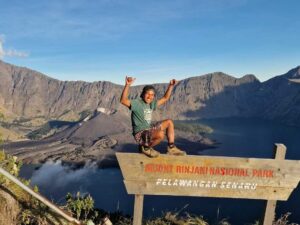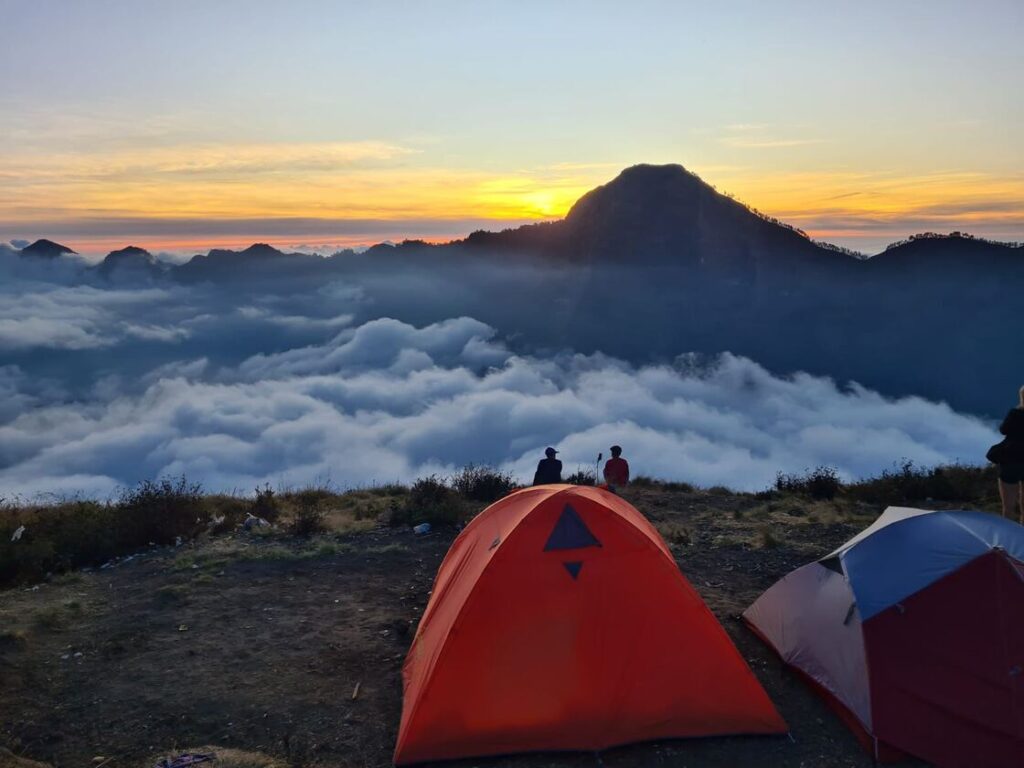
Mount Rinjani, located on the island of Lombok in Indonesia, is one of Southeast Asia’s premier trekking destinations. With its stunning landscapes, lush forests, and the breathtaking Segara Anak crater lake, it’s no wonder that adventurers flock to this active volcano. However, choosing the right time to climb Mount Rinjani is crucial for ensuring a safe and enjoyable experience. In this guide, we will explore the best times to tackle this incredible trek, considering weather conditions, trail accessibility, and other important factors.
1. Ideal Trekking Seasons
a. Dry Season (April to December)
The dry season is generally considered the best time to climb Mount Rinjani. Here’s why:
- Stable Weather: During this period, you can expect less rainfall and more stable weather conditions, making the trek safer and more enjoyable.
- Clear Views: The dry season offers clear skies and stunning views of the surrounding landscapes, including the beautiful crater lake and lush valleys.
- Optimal Trail Conditions: The trails are less muddy and easier to navigate, reducing the risk of slips and falls.
b. Peak Season (July to September)
The peak months of July, August, and early September see the most visitors. While this is a great time for trekking, consider the following:
- Crowded Trails: Expect more trekkers on the trails during these months, which can make for a less serene experience. It’s advisable to book your trekking package in advance to secure your spot.
- Higher Costs: Due to the influx of tourists, prices for tours and accommodations may be higher during peak season.
2. Off-Peak Season (April to June and September to December)
While the dry season is ideal, the months of April to June and late September to December can also be good times to climb:
- Fewer Crowds: Trekking during the shoulder seasons (April to June and late September to December) means fewer crowds, allowing for a more peaceful trekking experience.
- Lower Prices: Many tour operators offer discounts during these months, making it a cost-effective time to visit.
Caveats of Off-Peak Season
- Variable Weather: While the weather is generally good, April and December can still experience some rain. Always check the forecast before your trek.
- Trail Conditions: Trails may be slightly muddy or slippery, especially if there has been recent rainfall.
3. Avoiding the Rainy Season (January to March)
The rainy season, from January to March, is not recommended for climbing Mount Rinjani:
- Heavy Rainfall: Expect heavy rains that can lead to hazardous trekking conditions, including slippery trails and reduced visibility.
- Trail Closures: The park may close certain trails during this time due to safety concerns, and some guides may not operate due to the risks involved.
- Increased Risk of Landslides: The combination of rain and steep terrain can increase the risk of landslides, making the trek dangerous.
4. Conclusion
Choosing the best time to climb Mount Rinjani is essential for a successful and enjoyable trek. The dry season from April to December offers the most favorable conditions, with peak months being July and August for clear weather and stunning views. If you prefer fewer crowds and lower prices, consider trekking during the shoulder seasons of April to June or late September to December.
Regardless of when you decide to embark on your Rinjani adventure, proper planning and preparation are key. Always check the weather forecasts, choose a reputable trekking company, and ensure you have the necessary gear for your journey. With the right timing and preparation, climbing Mount Rinjani can be a truly unforgettable experience that showcases the natural beauty of Indonesia.